For those of us who’ve always known the folk scene to be largely as it is now - with its plethora of festivals, clubs, sessions, instrument suppliers, teachers, record labels, specialist press, etc, it’s surprising to consider how recently it came to be and, perhaps, how fragile it all is.
Much of what we take for granted as the immutable infrastructure of our scene emerged not from some collective masterplan, but from the shared enthusiasms of irrepressible individuals within the folk community. Couples have often been the major driving forces - people like John and Katie Howson (Veteran Recordings) Bob and Gill Berry (Chippenham Folk Festival) and Pete and Mannie McClelland (Hobgoblin Music).
In recent times, it’s become commonplace to hear elderly folk club-goers bemoaning the apparent lack of youthful equivalents and predicting that the end of the folk world is nigh. Thankfully there’s plenty of evidence in the thriving session scene and the emergence of the likes of the Nest Collective and Two For Joy to counter the doomsayers, but it’s still immensely refreshing to encounter a young couple who are not only performers (with a fine solo album apiece) but who also do club organising, festival programming, album compiling, ceilidh calling, Morris and step dancing, songwriting and tune composition, teaching, tune book authoring, environmental campaigning and, well… everything
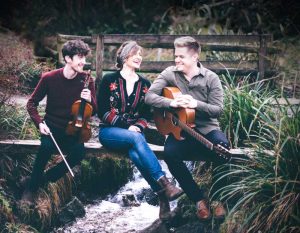
To find out how they got to this stage, I met this most active of activist couples before a gig in Cornwall by their new trio The Wilderness Yet.
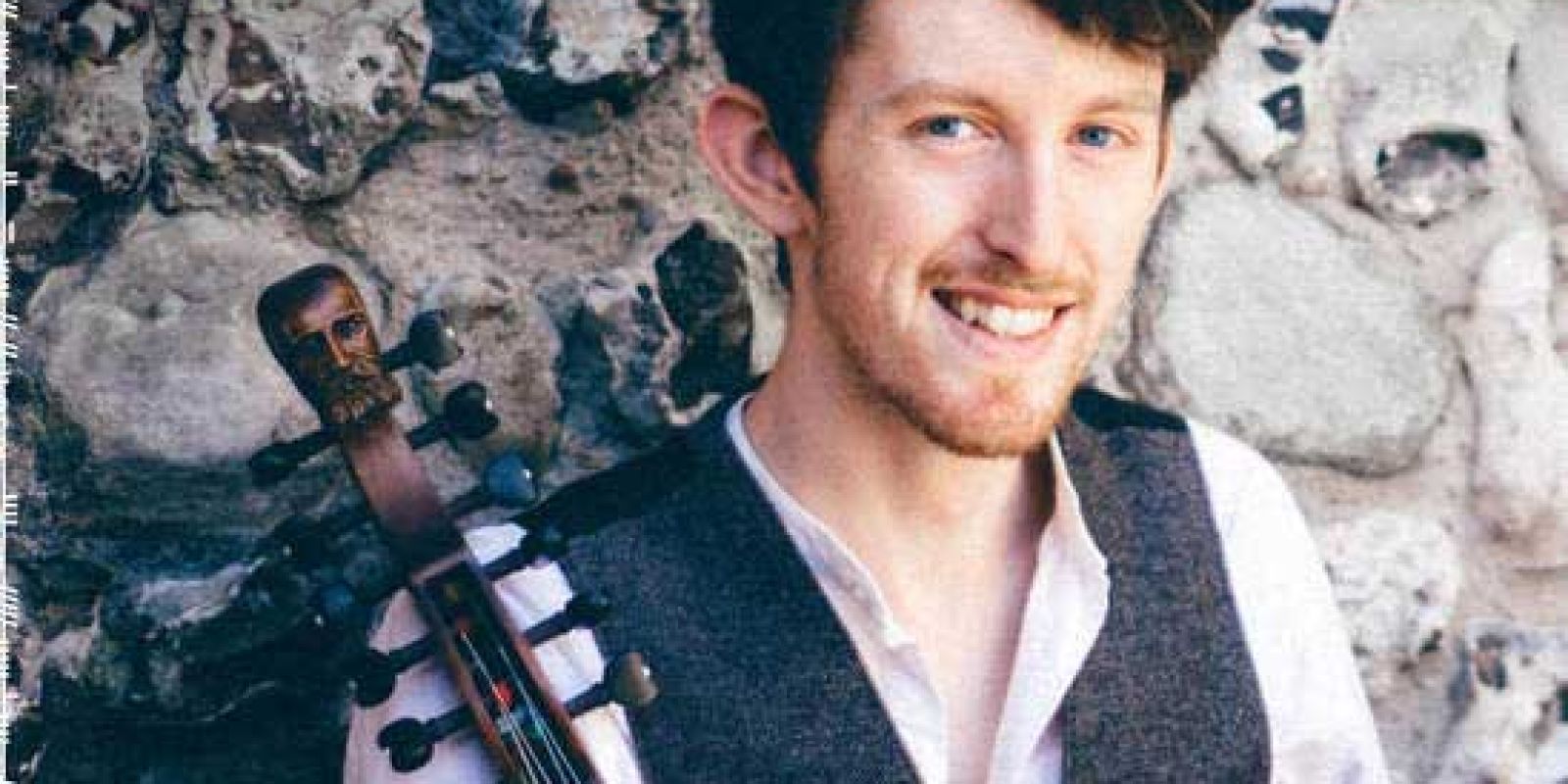
“My Mum’s English and I moved over here full-time to go to secondary school, but before that I was in Kinvara, Co. Galway” Rowan tells me. “I grew up totally immersed in Irish traditional music to the point where I just didn’t hear anything else. I’m from one of those weird families without a TV! There was always music played in the house, and I was taken out to sessions from when I was a baby. Mum and Dad would both be out playing sessions three or four times a week - Mum on the fiddle and Dad on the banjo and box. At that time in Kinvara, Jackie Daly lived there, and Marion McCarthy - an incredible piper. Máire O’Keeffe was my primary school teacher - she’s an amazing fiddle player, and Sharon Shannon was my baby sitter for a while! Rosie laughs at me for not knowing everything about pop music. When my Mum and I first came over to live in Brighton, I remember getting teased - not just because I had an Irish accent but because I didn’t know who the Beatles were and because I had no idea who Bob Marley was…”

“I wasn’t really interested in folk music ’til I was fourteen” says Rosie, “when I joined my parents’ Morris side. I quickly fell in love with singing folk songs and then had some guitar lessons and started writing my own songs too. When I was nineteen I went to the Brighton Institute of Modern Music - which was way off-piste! While I was there I met Georgia Lewis - who Rowan was already playing fiddle with, and that’s how we met each other.”
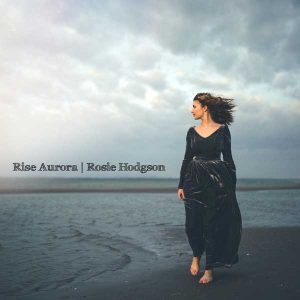
Whilst the meeting and melding of Irish and English traditions provides the bedrock of their music, there’s also a stream of Scandinavian influence flowing through it in Rowan’s fiddle playing.
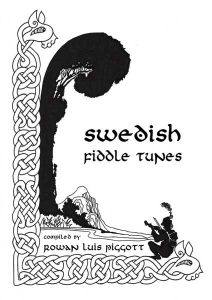
“Ben Paley has massively influenced my playing” reveals Rowan. “I played a regular session with Ben when I was a teenager. We would mainly just play Irish stuff and then, every so often, he would change it up by playing a Swedish tune. I found the Swedish music so similar in some ways - the dark modes and so on, but so different rhythmically and melodically. I went off to Sweden five years in a row, collecting and learning tunes and playing with lots of Swedish musicians.
One of Rowan and Rosie’s most notable and significant achievements is SONGHIVE - a folk song project concerned with raising awareness of the current plight of our native bees. Rowan explains how it came about.
“I heard a lot of tracks on different folk albums that made sideways references to the bees dying out, and to that as a specific ecological crisis. I just thought wouldn’t it be great to put all these songs on a compilation album and sell it in aid of saving the bees. I thought it could do more good and have more impact that way than each of the artists just having one reference on their own albums. That didn’t really happen in the end because of record label licensing laws - it would have become really expensive to use all those tracks. We did get a couple from very kind record labels - Topic allowed us to include Simpson, Cutting and Kerr’s Dark Honey and Rootbeat Records let us use the Rheingans Sisters track. A lot of the other material for the album was written specially for it.”

Their latest musical venture is The Wilderness Yet - an exciting trio with guitarist and flautist Philppe Barnes who, since completing an MA in Irish Music Performance at University of Limerick, has toured with the David Munnelly Band, All Jigged Out, Dizraeli and the Small Gods and Crossharbour. “Philippe is amazing and so easy to work with” enthuses Rosie. “We really click as a trio and it takes a little pressure off the two of us!”
http://www.thewildernessyet.com